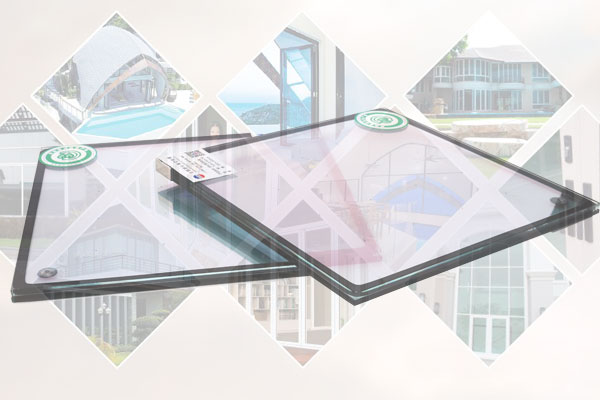
Vacuum glass has good transmission and light transmission properties, high stability and good thermal insulation effects. Vacuum glass can even make the glass self-discoloring and isolate excessive light. Therefore, vacuum glazing can be used in all walks of life to meet different needs. Next, please see the introduction of vacuum glazing and the list of benefits of using vacuum glass so as to improve the understanding of vacuum glass.
What is Vacuum Glazing?
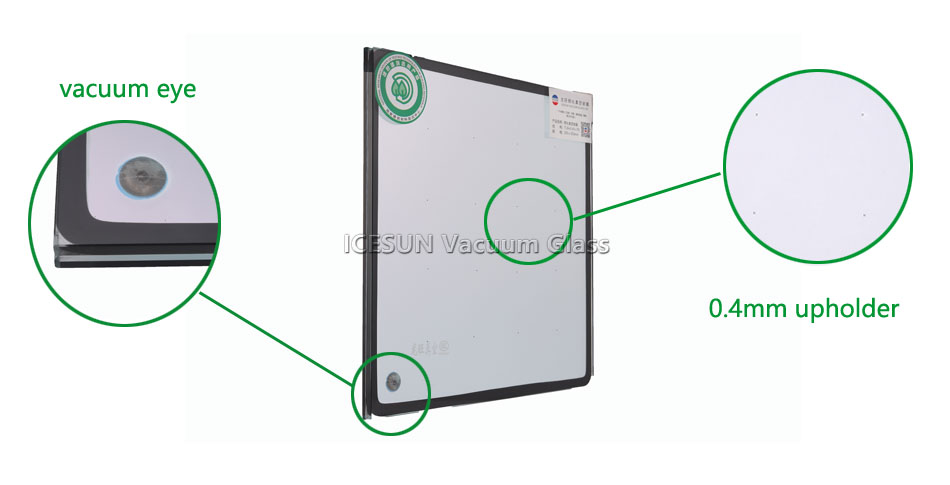
Vacuum glass is a new type of glass deep-processing product. Our tempered vacuum glass is separated by a 0.4mm high support, and the edges of the two layers of glass plates are sealed with low temperature glass, and then the air in it is exhausted. The vacuum degree between the glass is 10-4Pa, so the heat convection does not exist, the heat conduction is reduced to the limit. And the LOW-E layer reflects more than 95% of the infrared radiation, so the heat between the inner and outer glass plates cannot be exchanged, which minimizes the heat lost through conduction, convection and radiation through vacuum glass, and its working principle is the same as that of glass thermos. Vacuum glazing enhances the performance of any glass configuration by effectively blocking thermal transmission, delivering thermal insulation performance that is 2-4 times better than conventional insulating glass and 6-10 times better than monolithic glass.
Benefits of Vacuum Glass
◈ Low carbon energy saving: The vacuum glass relies on the special structure of the vacuum layer to effectively block the heat conduction inside and outside the room. Its extraordinary U-values that deliver energy savings and reduce carbon emissions. Moreover, vacuum glazing can significantly reduce the power consumption of air conditioners and the emission of pollutants and greenhouse gases, reducing environmental pollution.
◈ Thermal insulation: The vacuum glass with appropriate shading coefficient can effectively control the heat gain from the sun and keep the room cool in summer; in winter, when the outdoor temperature is -20℃, the inner surface temperature of the vacuum glass is only 3-5℃ lower than the indoor air temperature , which can keep the interior warm and comfortable. Vacuum glazing makes it possible to realize generous window-to-wall ratios without sacrificing performance or occupant comfort.
◈ Sound insulation and noise reduction: With the dense urban population and the increase of means of transportation, noise pollution is becoming more and more serious, which directly harms people. The vacuum layer of vacuum glass can effectively block the transmission of sound, especially for medium and low frequencies with strong penetration, the effect is very significant, increasing acoustic performance for dramatic noise reduction.
◈ Anti-condensation: Vacuum glass has super thermal insulation performance, reducing center of glass condensation at temperatures as low as -50°C. In cold winter, even if the outdoor temperature drops to -30°C, the temperature of the indoor glass surface is close to room temperature and much higher than the condensation temperature.
◈ Wide range of applications: The interior of vacuum glass is in a vacuum state, which is not affected by ambient air pressure, and is suitable for various altitudes. At the same time, vacuum glass can maintain its excellent performance in various positions of the building, including facades, slopes and roofs. There is no problem that the gas convection increases and the performance decreases when the insulating glass is laid flat. Considering ICESUN vacuum glass for exterior glazing applications that require extraordinary insulating performance, our vacuum glazing is ideal for residential and commercial projects, including: renovations, new Construction, office buildings and educational institutions, etc.