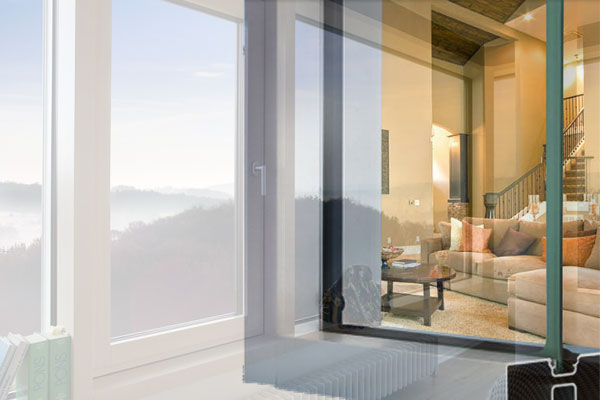
As we all know, energy saving is becoming an ever more important and integral part in the process of architectural design and construction. Energy-saving building glass must have two energy-efficiency properties: heat preservation and thermal insulation. Thanks to its innovative vacuum technology, vacuum glass provides thermal insulation performance that is 2-4x better than conventional insulating glass units and 6-10x better than monolithic glass. Vacuum glass also offers extraordinary U-values and delivers energy savings and reduced carbon emissions. By right of premium performance on heat preservation and thermal insulation, vacuum glazing has become the genuine energy-efficiency building glass, totally helpful for the construction of low carbon and even net-zero carbon building windows and doors.
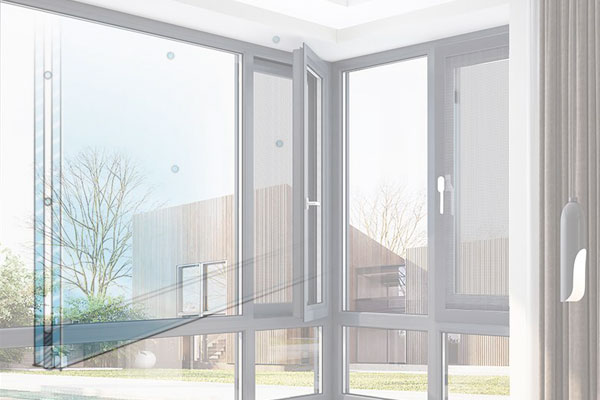
The heat preservation (U/K value) of the building glass should be at a level that matches the local wall. For most areas in our country, according to the current regulations, the U/K value of the building wall should be less than 1. Therefore, the U/K value of the building glass window must be less than 1 to "plug" the energy consumption loophole of the "opening" of the building. In the energy saving of windows, the U/K value of building glass plays a major role. For ICESUN vacuum glass, its U value can be low to 0.6W/m2*K, which makes vacuum glazing very suitable for passive house and net-zero building projects.
The thermal insulation (shading coefficient) of the glass should be adapted to the characteristics of the solar radiation where the building is located. Different buildings have different requirements for glass insulation. For residential and public buildings where people live and work, the ideal glass should allow most of the visible light to pass through. With Low-E coating, ICESUN vacuum glazing can effectively reflect infrared rays and block the heat out of the window. Just turn on the air conditioner for a short time every day to ensure the cool of the indoor day. It can not only save electricity, but also keep users away from the trouble of air conditioning diseases, so as to achieve the purpose of energy-saving.
At present, vacuum glass is the building glass with the best energy-saving effect. Vacuum glass forms a vacuum between two sealed glass pieces so that the conduction heat between glass and glass is close to zero. At the same time, at least one piece of vacuum glass is generally low-e glass, so that its convection, radiation and conduction heat transfer are very small, and the energy saving effect is very good. The world is in the heyday of construction. Nearly 2 billion square meters of houses are built every year in China, and only about 10% of the buildings can meet the energy-saving standards stipulated by the state. So it is imperative to implement energy-saving buildings in our country. The most direct factor affecting building energy consumption is the thermal insulation and thermal insulation performance of the building maintenance structure, and doors and windows are the weakest link. According to statistics, the energy consumption of door and window glass in buildings accounts for about 35% of the total energy consumption of buildings, so the application of energy-saving building glass - vacuum glazing is of great significance in building energy conservation.